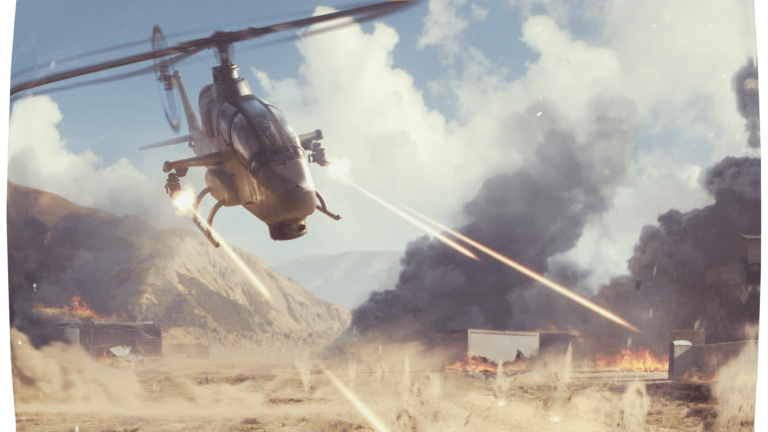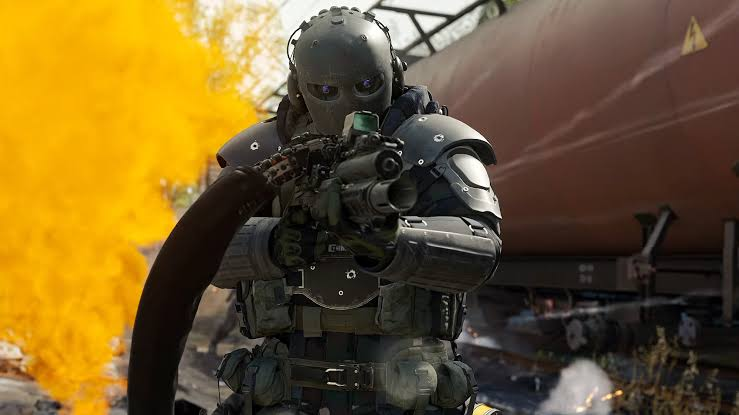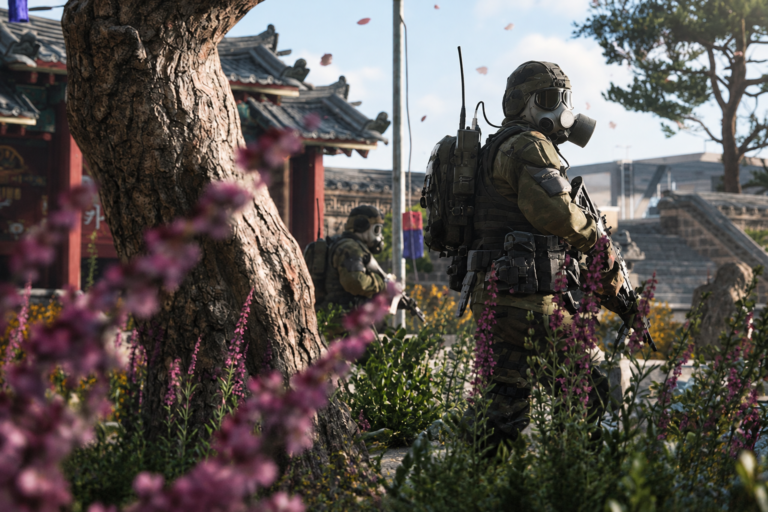
Modern Warfare 4 DMZ introduces a long-term progression system featuring more than 60 distinct operator traits. Instead of relying only on extracted gear and temporary Field Upgrades, players can develop individual active duty operators through specialized skill trees. Each operator can take on a specific tactical role, giving squads more flexibility when entering high-threat zones, completing objectives, and planning extractions.
The skill tree system is built around three main disciplines: Warfighter, Scout, and Survivalist. Each branch supports a different playstyle, while operator ranks determine how many trait points players can invest. Understanding these systems helps players create specialized builds, manage their resources, and protect the progress earned during each deployment.
MW4 DMZ Operator Skill Trees Explained
The three skill trees cover offensive combat, reconnaissance, and team support. Choosing traits that complement an operator’s role can make a squad more effective across different mission scenarios.
| Skill Tree | Main Focus | Key Benefits |
|---|---|---|
| Warfighter | Offensive combat | Improves damage output, weapon handling under fire, and sustained combat momentum |
| Scout | Stealth and mobility | Supports reconnaissance, tactical movement, and low-profile approaches |
| Survivalist | Team support | Improves revives, medical efficiency, and resource management |
Warfighter suits players who frequently engage hostile forces. Its offensive traits support aggressive pushes and help operators maintain pressure during extended firefights.
Scout focuses on stealth, mobility, and reconnaissance. These traits help operators navigate contested areas, flank defended positions, and gather information before committing to an engagement.
Survivalist prioritizes squad sustainability. Its support-focused traits help keep teammates operational through revives, medical improvements, and more efficient resource use.
When building a squad, consider assigning different roles to individual operators rather than investing every character in the same skill tree. A balanced lineup gives the team more options when a mission requires direct combat, careful movement, or emergency support.
Important MW4 DMZ Operator Traits
Individual traits can change how operators handle combat, equipment, and mission objectives. Two notable examples are Killing Spree and Equipment Professional, which support different aspects of deployment performance.
| Trait | Main Effect | Best Use |
|---|---|---|
| Killing Spree | Extends active Field Effect duration when hostile targets are eliminated, potentially doubling standard uptime | Sustained combat and consecutive engagements |
| Equipment Professional | Passively regenerates depleted lethal and tactical equipment over time, up to full slot capacity | Longer missions that require repeated equipment use |
Killing Spree rewards players who maintain combat momentum. Eliminating enemies can extend active Field Effects, giving operators more time to benefit from their current combat enhancements. It is particularly suited to players who regularly engage multiple hostile targets during a single push.
Equipment Professional supports tactical independence by replenishing lethal and tactical equipment over time. This can help operators maintain access to their preferred tools when clearing rooms, navigating defended areas, or responding to unexpected threats.
Other traits throughout the skill trees can improve:
- Movement speed: Helps operators reposition and navigate the battlefield.
- Armor efficiency: Supports defensive performance during firefights.
- Container interactions: Makes mission-related looting and resource collection more efficient.
- Defensive awareness: Improves preparedness when operating in high-risk areas such as underground bunkers and secure research facilities.
The most effective trait choices depend on the operator’s role. Combat-focused characters benefit from offensive upgrades, Scouts gain value from mobility and reconnaissance, and Survivalists should prioritize support abilities.
How Operator Ranks and Trait Points Work
Operator progression is linked to deployment records and Dog Tag ranking. The system features 18 progressive tiers, ranging from early metal designations to elite Damascus and Onyx ratings. Each advancement milestone awards trait points that can be allocated directly to the selected skill tree.
Because operators earn a finite number of points before reaching maximum rank, a focused build is generally more useful than spreading upgrades across unrelated abilities.
A practical approach is to:
- Choose the operator’s role. Decide whether the character will focus on combat, reconnaissance, or squad support.
- Prioritize role-specific traits. Invest in upgrades that directly improve the tasks the operator performs most often.
- Consider squad composition. Avoid building every operator around the same strengths if the team needs more balanced capabilities.
- Review upgrades as ranks increase. Use newly earned trait points to strengthen the build or address weaknesses encountered during previous deployments.
Players can also practice their combat fundamentals before entering demanding missions. MW4 Bot Lobbies can provide additional opportunities to work on aiming, movement, target tracking, and weapon control. These skills can help players approach encounters more consistently when using specialized operators.
Individual Operator Progression and Roster Management
One defining feature of the MW4 DMZ progression system is that each active duty operator maintains an independent skill tree and experience history. Trait investments are tied to individual roster slots rather than being unlocked universally across the entire profile.
This structure encourages players to develop multiple specialists for different situations. For example, a roster could include:
- A Warfighter: Built for direct engagements and sustained offensive pressure.
- A Scout: Focused on stealth, mobility, and navigating contested locations.
- A Survivalist: Designed to support teammates through revives and medical efficiency.
This approach gives squads more flexibility when preparing for different mission objectives. Before deploying, review each operator’s traits, equipment, and intended role to make sure the lineup supports the team’s plan.
Missing in Action and Operator Recovery
The Missing in Action mechanic adds another layer to long-term progression. If an operator falls during an incursion and fails to reach an exfiltration point, they are marked as missing. Their accumulated abilities become temporarily locked until they are recovered.
Recovery requires extracted currency at the base hub. Paying the recovery cost restores the operator along with their earned abilities and deployment experience.
This mechanic makes extraction planning an important part of operator development. Before entering a high-threat area, consider the squad’s support capabilities, available resources, and potential escape routes. Coordinated movement and clear communication can help protect both the team and the progression invested in each character.
A few habits can help operators prepare for safer deployments:
- Check the squad’s composition before entering a dangerous area.
- Keep track of medical support and available equipment.
- Communicate when a teammate needs assistance or when the squad should reposition.
- Plan an extraction route instead of waiting until the situation becomes difficult.
- Consider the value of the operator’s accumulated progression when deciding whether to continue a fight.
Building an Effective MW4 DMZ Squad
A strong squad combines complementary traits rather than relying entirely on offensive power. Warfighters handle direct combat, Scouts support reconnaissance and flanking, and Survivalists help teammates recover during difficult encounters.
Equipment choices should also complement each operator’s build. Players who rely heavily on lethal and tactical equipment can benefit from equipment-focused traits, while those who expect extended firefights may prefer damage and weapon-handling improvements. Support operators should focus on traits that help maintain squad readiness during prolonged missions.
For players who want to improve their combat fundamentals, cheap Bot Lobbies MW4 can be considered as part of a practice routine. Spending time on movement, target acquisition, and weapon control helps build consistency and prepares players to apply those skills during coordinated DMZ deployments.
Getting More Value From Operator Progression
MW4 DMZ combines specialized skill trees, individual operator development, and extraction-based progression. The three main branches support distinct roles, while the 18 Dog Tag tiers provide a structured path for earning trait points and improving each operator.
To build a more effective roster, focus on three priorities: invest points according to each operator’s role, coordinate complementary skills across the squad, and plan deployments around the resources needed for recovery. Consistent practice and thoughtful trait selection can help players get more value from every operator and approach high-threat missions with a clearer tactical plan.